



Preparing for competitive exams is not only about attending classes or studying from books. One of the most important factors that determines a student’s success in competitive exams is self-study. While coaching institutes and teachers provide guidance and direction, the real understanding and mastery of concepts come from the time students spend studying on their own.
Students preparing for exams like Joint Entrance Examination, National Eligibility cum Entrance Test, Common University Entrance Test, and Birla Institute of Technology and Science Admission Test often realize that classroom learning alone is not enough. To truly understand concepts and solve complex problems, consistent self-study is essential.
For students in Dehradun, combining structured coaching with effective self-study can make preparation much more productive.
What is Self Study?
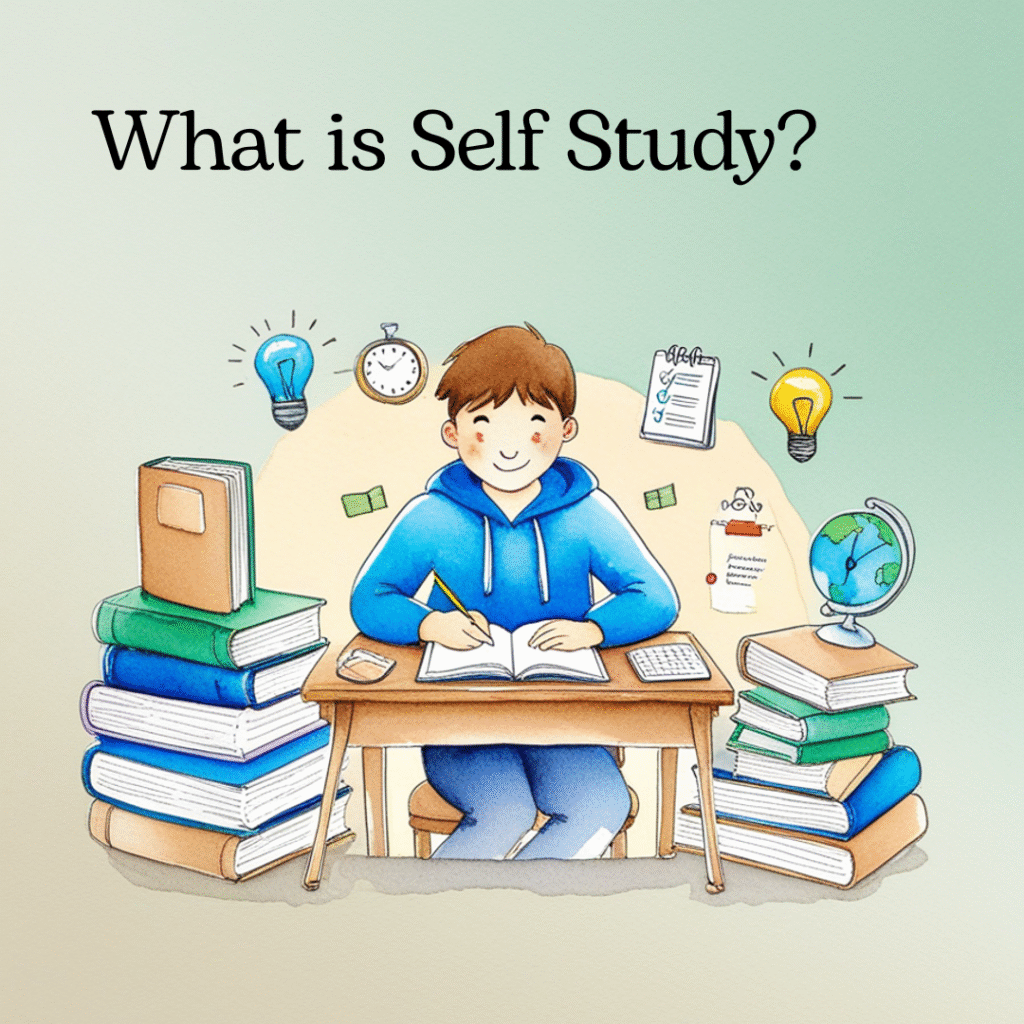
Self-study means the time students spend learning, revising, and practicing concepts independently without direct supervision from teachers. It involves reviewing class notes, solving practice questions, revising formulas, and exploring topics in greater depth.
Self-study helps students move from passive learning to active learning, where they think critically and solve problems on their own.
Why Self Study is Crucial for Competitive Exam Preparation
1. Helps in Deep Conceptual Understanding
Competitive exams focus heavily on conceptual clarity. While teachers introduce concepts in class, students truly understand them only when they revise and practice them independently.
During self-study, students can:
- Revisit difficult concepts
- Solve problems step-by-step
- Understand the logic behind formulas
This deep learning is extremely important for exams like Joint Entrance Examination and National Eligibility cum Entrance Test.
2. Improves Problem-Solving Skills
Competitive exams often include complex numerical and application-based questions. Solving such questions requires extensive practice.
Self-study provides students with the opportunity to:
- Solve different types of questions
- Analyze mistakes and learn from them
- Improve speed and accuracy
The more problems students solve on their own, the more confident they become during exams.
3. Builds Discipline and Time Management
Self-study encourages students to develop discipline and responsibility toward their learning.
By planning their own study schedule, students learn to:
- Manage time effectively
- Prioritize important topics
- Maintain regular study habits
These skills are not only useful for exams but also for future academic and professional success.
4. Strengthens Memory Through Regular Revision
Revision is one of the most important aspects of exam preparation. Without regular revision, students may forget important formulas, concepts, and theories.
Self-study allows students to revise topics multiple times, which helps in:
- Better retention of concepts
- Quick recall during examinations
- Improved confidence while solving questions
5. Identifies Strengths and Weaknesses
During self-study sessions, students can easily identify which topics they understand well and which topics require more attention.
This helps students focus their efforts on improving weak areas and strengthening their overall preparation.
How Coaching and Self Study Work Together

While self-study is extremely important, proper academic guidance also plays a significant role in exam preparation.
Coaching institutes provide:
- Structured learning plans
- Expert guidance from teachers
- Regular testing and feedback
- Doubt-solving sessions
Students looking for the best coaching for Science and Maths in Dehradun often benefit from institutes that encourage both concept-based teaching and independent self-study.
Institutes like Igniters for Tomorrow emphasize the importance of self-study along with structured classroom learning. With small batch sizes and concept-based teaching, students get enough time to practice and revise concepts on their own.
Tips to Make Self Study More Effective
Students can improve the quality of their self-study by following some simple strategies.
Create a Daily Study Schedule
A well-planned schedule helps students stay consistent with their preparation.
Revise Class Notes Regularly
Reviewing notes after class helps reinforce the concepts learned during lectures.
Practice Questions Daily
Solving numerical and conceptual questions regularly strengthens understanding and builds exam confidence.
Keep Doubts Clear
Students should note down their doubts during self-study and discuss them with teachers during doubt sessions.
Avoid Distractions
Studying in a quiet and focused environment helps students make the most of their study time.
Conclusion
Self-study is one of the most important pillars of success in competitive exam preparation. While coaching institutes provide guidance and direction, true learning happens when students spend time understanding concepts, practicing questions, and revising topics independently.
Students who combine concept-based classroom learning with disciplined self-study develop stronger problem-solving abilities and greater confidence during exams.
By maintaining consistent study habits and choosing the best coaching for Science and Maths in Dehradun, students can prepare effectively for competitive exams and move closer to achieving their academic goals.
Leave a Reply